
Custom Quilting Machines vs Standard Models: Which One Fits the Factory?
Sep 20, 2026
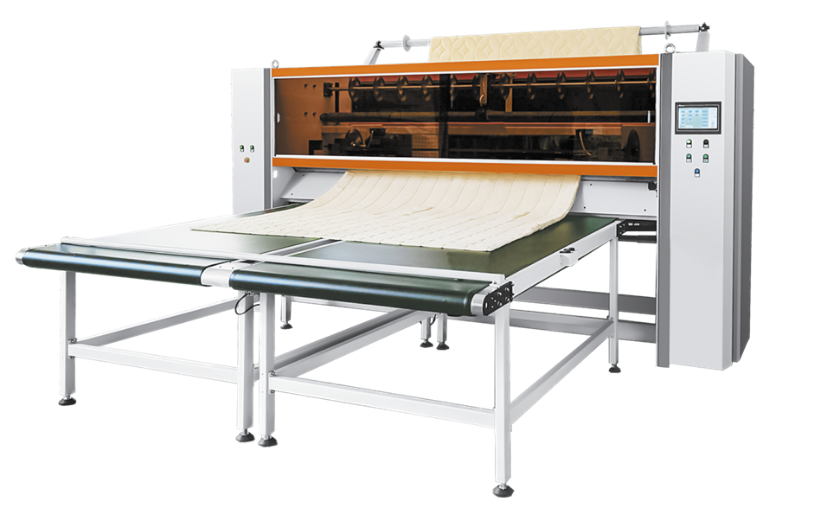
Dongguan, Guangdong Sep 19, 2026 (Issuewire.com) - When expanding a textile production facility or upgrading an existing mattress line, factory operational managers face a recurring choice on the factory floor. Should the plant invest in off-the-shelf standard models, or is it better to procure custom quilting machines configured specifically for non-standard material feeds, distinct stitch tolerances, and region-specific export parameters? Engineering teams at Hengchang Quilting Machinery Factory design both standardized catalog lines and adaptable configurations to address these exact shop-floor dynamics.
Standard models are engineered as inventory-ready production units with fixed physical frames, defined motor parameters, and standardized technical sheets published across catalog documentation. These units fit predictable production routines, particularly standard mattress panel quilting with continuous output demands. Custom machines follow a carefully defined engineering scope rather than unrestricted mechanical redesign. Standard platforms are engineered to cover conventional mattress dimensions efficiently, meaning core structural parameters--such as overall frame width--remain fixed to preserve structural stability and operational precision. When order volumes justify targeted modifications, customized setups adapt these proven systems through modular adjustments, such as fine-tuning presser foot clearance, modifying electrical control interfaces to meet destination standards, or integrating auxiliary loading accessories. Selecting between off-the-shelf standard models and modularly tailored equipment shapes how a plant manages unit costs, batch flexibility, and operating overhead.
Comparing Core Equipment Attributes Across Practical Dimensions
The decision between standard catalog machinery and modified equipment involves several clear technical trade-offs that impact daily operational rhythm and capital deployment.
1. Delivery Timelines and Initial Integration Pace
Standard models move directly from warehouse inventory or active assembly lines to delivery, requiring minimal pre-shipment engineering. Factory installation follows fixed setup routines, allowing technical crews to bring lines online quickly once power feeds are established.
Custom equipment introduces a multi-stage approval phase. Before mechanical assembly begins, engineering teams must evaluate structural blueprints, motor loads, and control schematics. Electrical systems undergo pre-shipment verification, and physical test runs ensure custom extensions perform properly under full production stress. This engineering phase adds necessary lead time, making standard units the choice for quick capacity expansions, while custom machines suit planned facility upgrades with longer lead times.
2. Material Thickness and Clearance Adjustments
Standard quilting equipment generally features uniform width metrics optimized for global bed dimensions. A standard chain stitch or shuttle quilting unit typically offers an effective working width, handling conventional fabric rolls and filler padding up to 80 mm thick. For mainstream mattress manufacturing, these standard dimensions handle regular king and queen bed tickings reliably without structural changes.
When production handles specialized high-loft padding, dense multi-layered memory foam combinations, or heavy industrial fabrics, standard vertical clearances may require operational adjustments. Rather than altering core frame widths--which would compromise structural integrity--tailored options focus on permissible clearance adaptations when order volumes support engineering adjustments. Fine-tuning feed roller spacing, adjusting presser foot lift range, or configuring auxiliary material guide racks allows facilities to process thicker composite layers cleanly without crushing delicate fibers or altering the machine's primary structural architecture.
3. Electrical Systems and International Export Compliance
Deploying textile machinery across international borders requires strict alignment with destination grid standards and safety codes. Standard machinery leaves assembly plants wired for universal industrial power, typically 380V or 220V at 50/60Hz, using standard European or Asian electrical enclosures and safety interlocks.
Exporting to regional markets with specific industrial standards, such as North America or South America, requires precise electrical adjustments. Hengchang Quilting Machinery Factory addresses these export requirements by tailoring electrical cabinets, installing targeted transformer modules, and integrating localized safety switches and bilingual interface panels. As a specialized quilting machines supplier, Hengchang ensures that modified machinery complies with destination electrical codes and import guidelines before shipment, avoiding costly field modifications after delivery.
4. CAD Pattern Software and System Control Interfaces
Both standard and custom quilting systems rely on integrated computer control systems with built-in pattern libraries and standard CAD editing interfaces. Operators can import vector pattern designs, adjust stitch density, and execute multi-needle path shifts directly from the control monitor.
Customization in pattern control does not mean rewriting underlying machine firmware or altering primary PLC logic. Instead, system integration focuses on adding dedicated software interfaces, remote data connection ports, and auxiliary sensor triggers. These additions allow automated pattern scaling and enable multi-needle units to coordinate with downstream panel cutters or stacking mechanisms without risking software instability.
Matching Order Structures to Equipment Selection
Choosing between off-the-shelf machinery and tailored configurations depends heavily on a facility's order mix, production rhythm, and end-product applications.
Standard units deliver their highest ROI in high-volume, low-SKU environments. In plants focused on continuous mattress production, running identical pattern geometry across uniform fabric rolls week after week keeps machine throughput high and unit costs down.
When factory operations involve broader product categories--such as mattress panels, mattress pads, bedspreads, comforters, bedding, upholstery, etc. Frequent changes in pattern geometry, non-standard roll widths, and varying material densities require continuous adjustments. For these flexible production lines, tailored equipment offers the operational range needed to handle diverse client requests without sacrificing stitch quality or forcing awkward workarounds on fixed machine frames.
The Dual-Track Machinery Strategy
Navigating equipment selection does not require choosing between standardized reliability and functional flexibility. Hengchang maintains a dual-track approach anchored in production stability.
Core platforms, such as the multi-function chain stitch quilting machine and high-speed shuttle models listed across the primary product line, serve as the engineered baseline built around standard market dimensions. Rather than redesigning primary machine frames or expanding base working widths--which can compromise system rigidity--tailored solutions build on these proven platforms through structured modular options when production volumes support such adaptations. When volume orders require dedicated electrical panels, specialized edge-trimming accessories, or automated loading interfaces, Hengchang integrates these module upgrades without altering the core structural framework.
This disciplined design philosophy ensures long-term operational stability and predictable maintenance. Because modified setups retain standard mechanical frames, drive shafts, and bobbin mechanisms, critical spare parts remain interchangeable across standard and adapted production lines, minimizing downtime while supporting specialized production requirements.
Selecting the Right Equipment Path
Deciding between standard and customized machinery comes down to evaluating order volume, material diversity, and target market requirements. Standard models provide immediate deployment and reliable efficiency for fixed product lines. Tailored configurations deliver the operational flexibility needed to handle complex materials, varied pattern geometries, and strict international compliance standards.
By offering both standardized production platforms and modular custom setups, Hengchang provides textile and mattress manufacturers with scalable options tailored to specific factory floor demands. Evaluating upcoming order structures, material specifications, and regional export targets helps plant managers choose the ideal equipment configuration to support long-term operational growth.
To explore technical specifications, review application case studies, or consult with engineering specialists on standard and tailored equipment options, please visit https://machine-quilting.com/
Media Contact
Hengchang Quilting Machinery Factory
+86 13450027928
XiaLingBei Industrial Area, LiaoBuTown, DongGuan City, GuangDong Province, 523411
Source :Hengchang Quilting Machinery Factory
This article was originally published by IssueWire. Read the original article here.

PCG looking into cargo of burned ferry
MANILA, Philippines — The Philippine Coast Guard (PCG) is investigating whether cargo aboard MV June Aster was misdeclared and may have contributed to the fire that killed 77 people off Coron, Palawan. PCG spokesperson Commodore Noemie Cayabyab said investigators would compare the vessel’s cargo with the manifest submitted by its captain as they look into

DOTr to roll out cash aid to drivers, operators
MANILA, Philippines — The Department of Transportation (DOTr) on Saturday said it was set to release another round of financial assistance for affected drivers amid oil price hikes through the Assistance to Individuals in Crisis Situation program of the Department of Social Welfare and Development. This comes as the proposed fare adjustment for public utility

Charlie Fleming celebrates 18th birthday in dreamy pink ball
Kapuso star Charlie Fleming stepped into adulthood in style as she celebrated her 18th birthday with a dreamy pink-themed ball.

Pampanga bet succeeds PH queen in Egypt pageant
MANILA, Philippines — Kapampangan lass Sophia Bianca Santos posted a second consecutive win for the Philippines at the 2026 Miss Elite competition in Egypt, an unprecedented back-to-back victory in the pageant’s history, further asserting the country’s status as an international pageant powerhouse. Also on Friday night (early Saturday morning in Manila), another Filipino woman claimed

The flip side of foldable smartphones
Apple recently unveiled the iPhone Duo, a brand-new product that bridges the look and feel of an iPhone and an iPad.

Joyful dressing and the trends that took over New York Fashion Week
From legacy brands to emerging talents, designers brought joy back to dressing with sartorial twists on the New York Fashion Week catwalks.

DBM releases P27.4B for DOH program for indigents
MANILA, Philippines — The Department of Budget and Management has released a P27.4-billion budget to the Department of Health to strengthen health care services for indigent and financially incapacitated patients under the Medical Assistance to Indigent and Financially Incapacitated Patients (MAIFIP) program. Of the total budget, P19.145 billion will be allocated to DOH Centers for

Tita Eggie, right before my eyes
LOS ANGELES — I was visiting my father’s grave on his death anniversary at a cemetery for dead soldiers in this city last Sept. 13 when I learned that my old boss and mentor Eugenia Duran Apostol, founder of the Philippine Daily Inquirer (PDI), had died in the Philippines at age 100. Suddenly, I realized
![[Just Saying] Phantom judges in the impeachment court](https://www.rappler.com/tachyon/2026/09/missing-judges-impeachment-court.jpg)
[Just Saying] Phantom judges in the impeachment court
Constitutional provisions must never be fragmented and parsed into isolated words and phrases, each assigned a standalone meaning detached from the whole

8 years on, UP’s martial law museum still awaits construction
MANIL, Philippines — Along CP Garcia Avenue at the University of the Philippines (UP) Diliman, Quezon City, a 1.4-hectare property is reserved for a museum meant to keep alive the stories of Filipinos who suffered human rights violations under the regime of the late President Ferdinand Marcos Sr. Eight years after plans were formalized, however,
Isolated by flood, Zambales village builds its way back
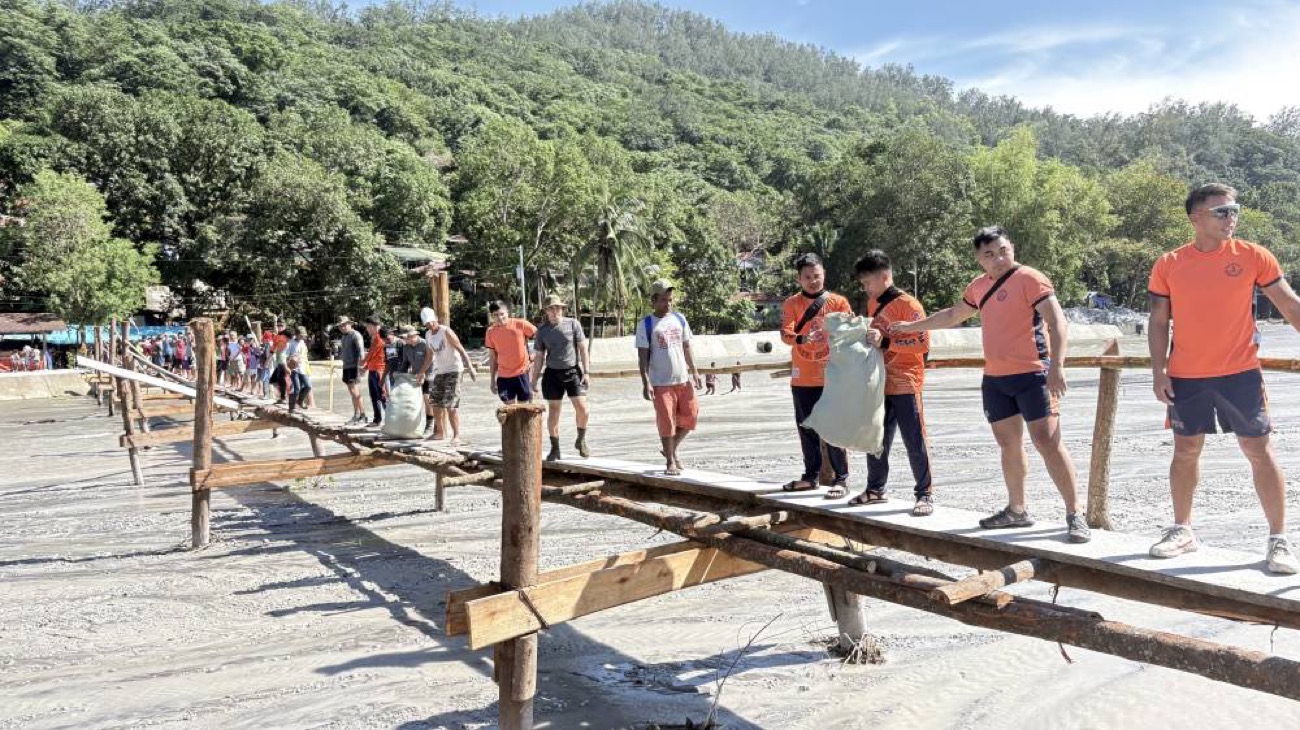
SAN MARCELINO, Zambales — For the first time in what seemed like a very long while, the sky above this remote community was finally bright. On Sept. 13, there was no steady curtain of rain, no dark clouds threatening another downpour and no river swollen by another night of heavy rains. Under the morning sun,
This week’s milestones: Sept. 20 to Sept. 26
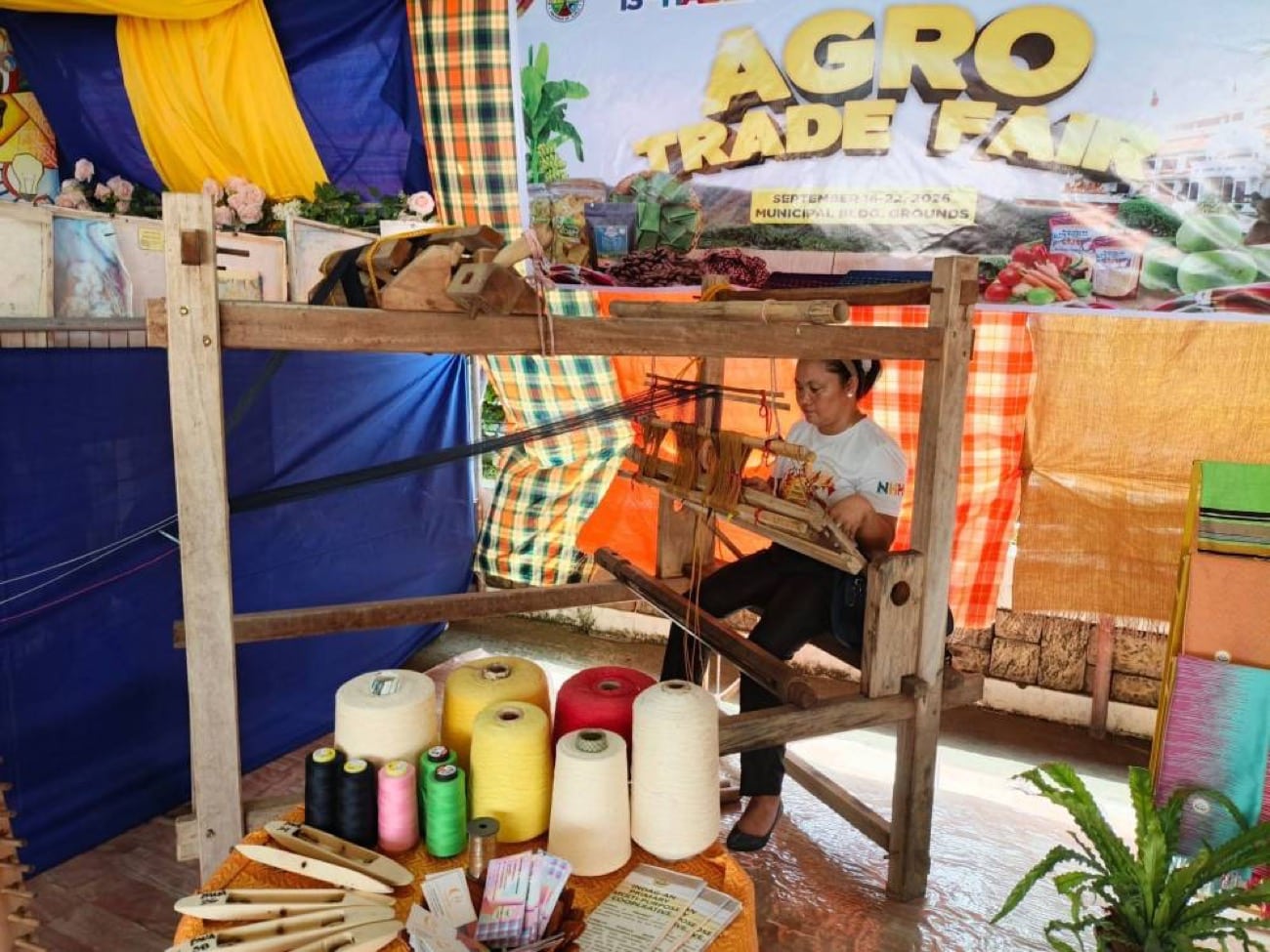
Sept. 21, 2022 The National Historical Commission of the Philippines installed a historical marker at Basay, Negros Oriental, to commemorate “Ang Pagdaong ng USS Crevalle.” On May 11, 1944, the USS Crevalle, a submarine of the US Navy that reached various parts of the Philippines and confronted Japanese naval forces, arrived on the shores of










YOUR NEWS, OUR NETWORK.
Do you have Great News you want to tell the world?
Be it updates about your business or your community, you can make sure that it’s heard by submitting your story to our network reaching hundreds of news sites across 6 verticals.